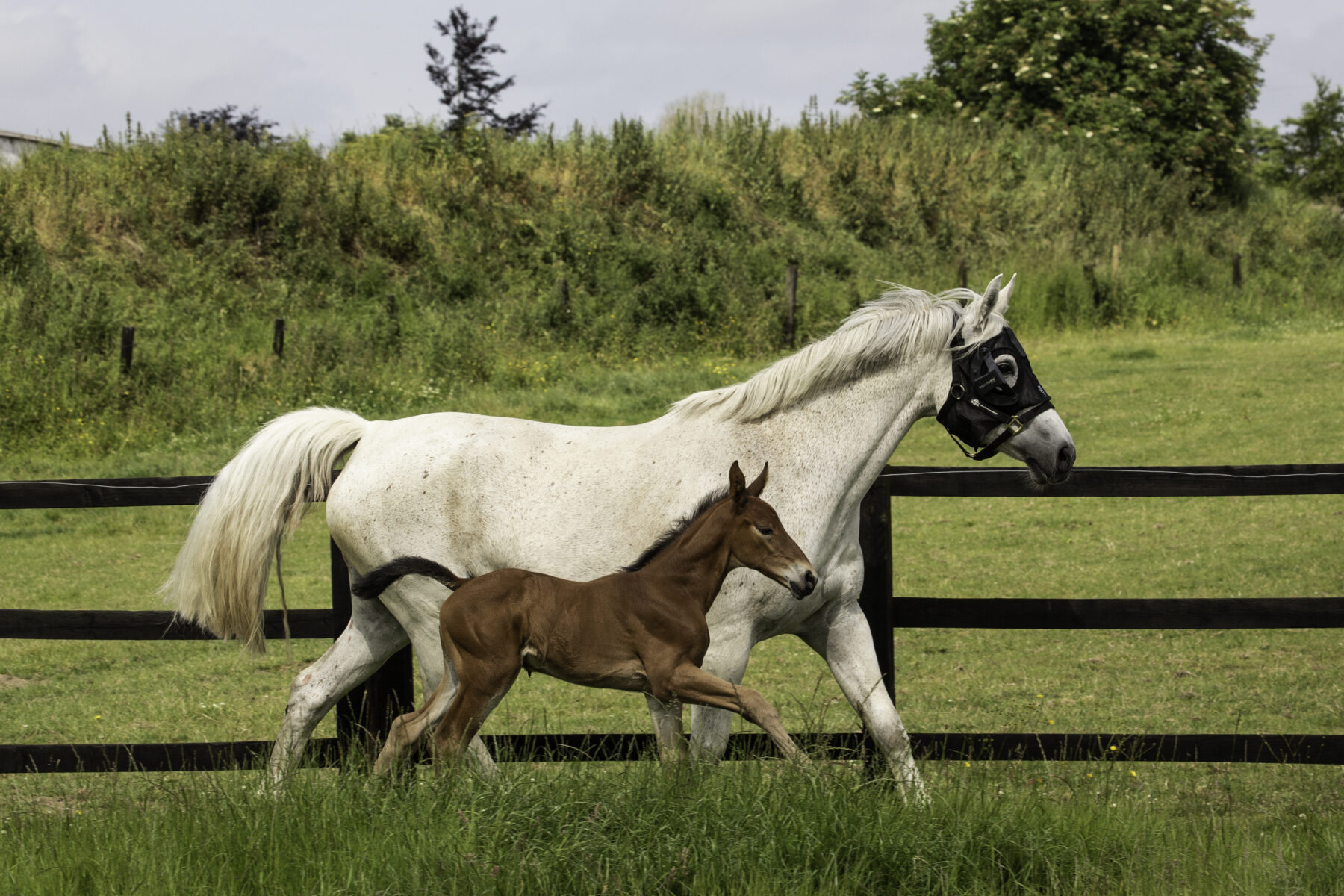
Applications of the Equilume Light mask for improved health in horses with PPID
PPID Study 1: Impact of blue light therapy on plasma adrenocorticotropic hormone (ACTH) and hypertrichosis in horses with pituitary pars intermedia dysfunction
Pituitary Pars Intermedia Dysfunction (PPID) is a debilitating neurodegenerative disease of older horses. Affected horses frequently present with hypertrichosis (growth of a long curly hair coat that fails to shed properly) and suppressed immunity which leads to them suffering multiple infections, laminitis, lethargy and depression. Blue light therapy was proposed as a potential management tool for hypertrichosis and for investigating the impact of photoperiod manipulation on ACTH hormone profiles in these horses. In an initial preliminary study conducted at the University of Kentucky, PPID horses receiving blue light treatment via Equilume light masks had lighter hair weights compared to the PPID control horses. Results also suggested that while blue light therapy does not alter seasonal ACTH concentrations, it could be used as an additional management tool for hypertrichosis in PPID horses.
PPID Study 2: Influence of Extended Photoperiod Using Blue Light Masks on Hypertrichosis, Coat Condition and General Health Parameters in Horses with Pituitary Pars Intermedia Dysfunction
In an intensive follow-up collaborative study between University College Dublin and the University of Kentucky, owners of 52 PPID horses were recruited from across North America and Europe and enrolled in a 12-month study using Equilume Light masks. The horses were divided into two groups. One group (29 horses) wore blue light masks from mid-December to extend their daylight exposure to 15 h daily. The other group (23 horses) acted as a control and experienced the natural changes in the light/dark cycle. As most (44/52) of these horses received daily medication to treat PPID, a second control group of unmedicated research horses (17 horses) was also recruited and experienced natural daylength changes for 13 months. Researchers measured hair length, hair shedding, and body condition monthly and collected owner feedback about other symptoms every two months. There was no difference in hair lengths between the blue-light-treated and the first control group, but the second control group had shorter hairs. Shedding started a month earlier in the spring for the blue light group. Owners reported better coat condition in April, less fat coverage in April and June, and more energy in February for the blue light group. A final survey showed improved coat condition, fewer PPID symptoms, and better quality of life in the blue light group only. These findings suggest that blue light masks can help manage PPID symptoms and work in tangent with pergolide to improve the health and well-being of horses with this condition.